Jan 08, 2026
AI-Powered Cybersecurity Insights for Modern Digital Businesses

Phishing remains one of the most common ways attackers break into organizations. A single convincing email can trick an employee into sharing a password, approving a fake payment or opening a file that installs malware. Modern phishing is far more polished than the obvious scams of the past. Attackers research their targets, copy real branding and time messages to match busy periods such as month-end or holiday seasons. Because phishing targets people rather than systems, technology alone cannot stop it. The strongest defense combines smart email filtering, strong authentication and employees who know exactly what to look for.
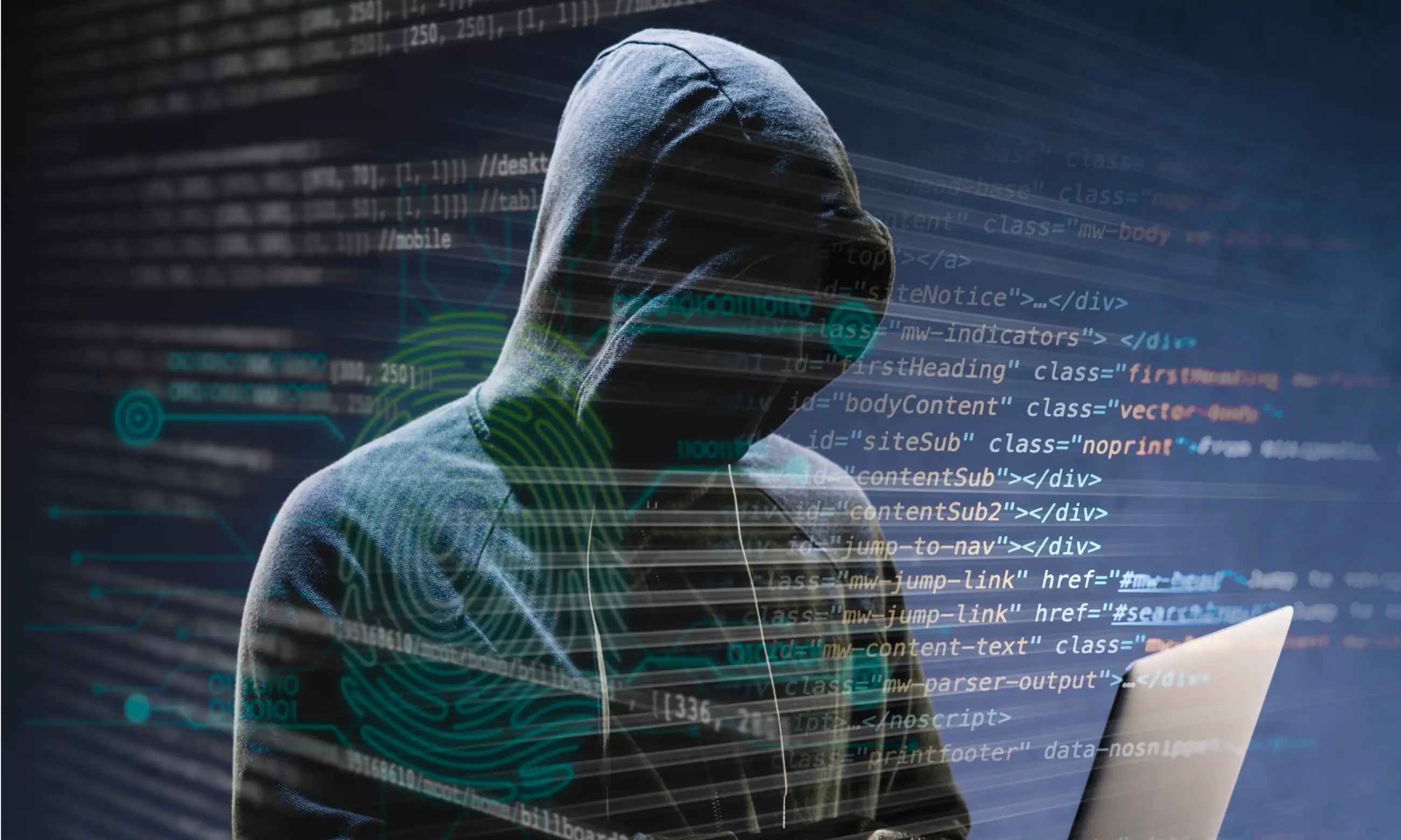
Most phishing messages share a few warning signs. They create urgency, ask for credentials or payments and come from addresses that look almost, but not quite, right. Links may point to lookalike domains, and attachments often arrive unexpectedly from familiar names.
Attackers also use text messages, voice calls and collaboration tools such as chat platforms. Training should cover every channel, not just email, and employees should feel safe reporting anything suspicious without fear of blame, even when they have already clicked.
Use modern filtering, domain authentication standards such as SPF, DKIM and DMARC, and warning banners for external senders. These controls stop many phishing messages before employees ever see them in their inbox.
Run short, regular awareness sessions and realistic phishing simulations. Focus on recent attack examples relevant to your industry and celebrate employees who report suspicious messages rather than punishing honest mistakes.
Enforce multi-factor authentication, restrict admin rights and monitor for unusual sign-ins. Even if someone falls for a phishing message, these controls make it much harder for attackers to use stolen access.
“Passwords are like underwear: change them often, keep them private and never share them.”
Chris Pirillo
Phishing defense works best as a shared habit. Make reporting easy, share lessons from real attempts and recognize alert employees so everyone feels responsible for protecting the business against social engineering.

Protect your data, apps and users with 24/7 monitoring, fast incident response and audit-ready security built for growing teams.